
Disruption is accelerating
Global IROP events have risen steadily over the past decade. Weather volatility, capacity constraints and infrastructure age mean recovery complexity is structurally increasing — not a temporary trend.
IROP · Structural
Sora automatically coordinates passenger rebooking, comms and servicing when flights are disrupted —
across the systems your airline already runs on.
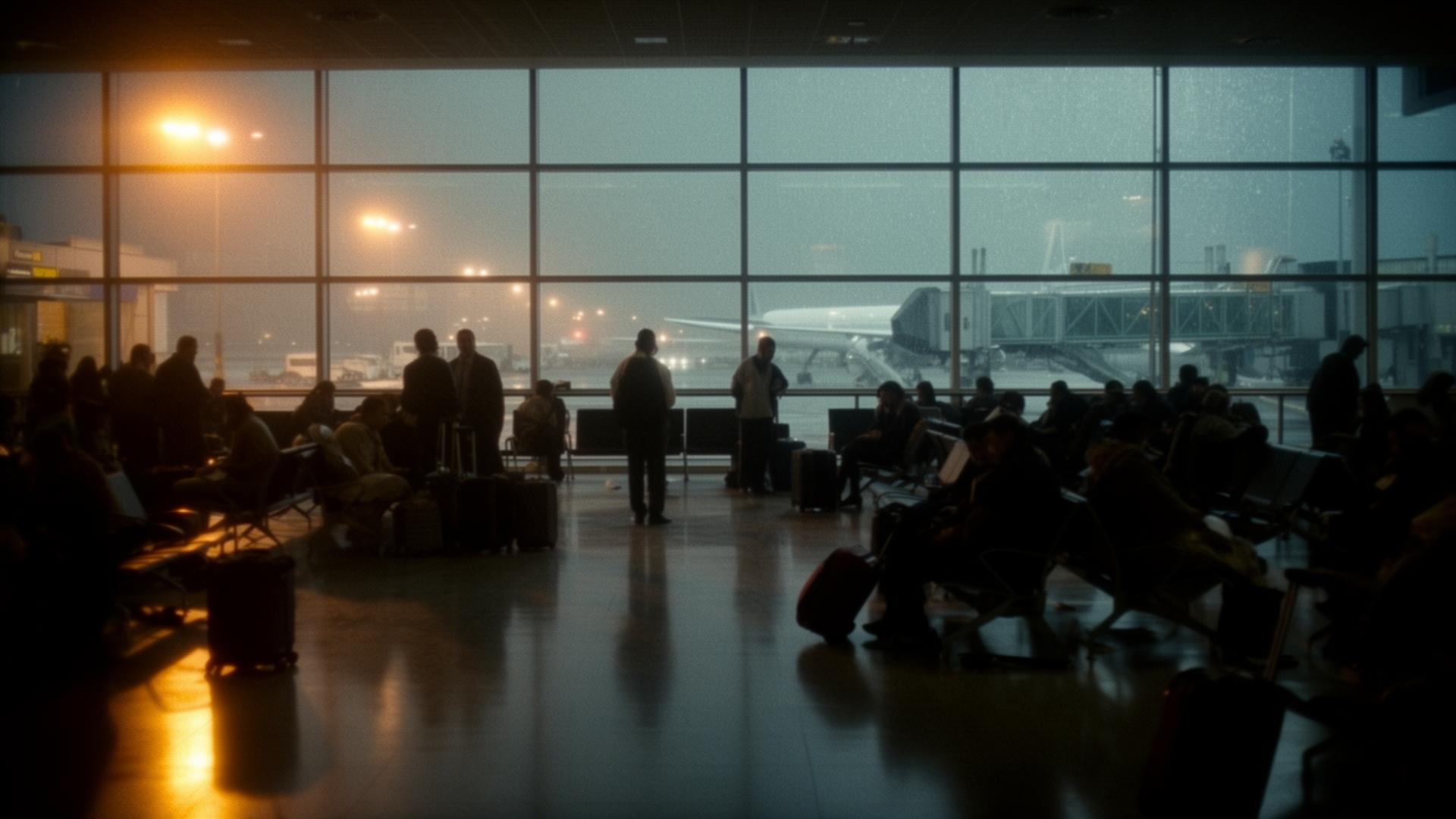
Somewhere tonight, a weather front is rewriting thousands of itineraries in real time.
22:47 LOC · PAX HOLDWhen disruption cascades, recovery scales with operator effort.
The same disruption event, handled by the operator's hands today — and by an orchestration layer designed to compress it into minutes.
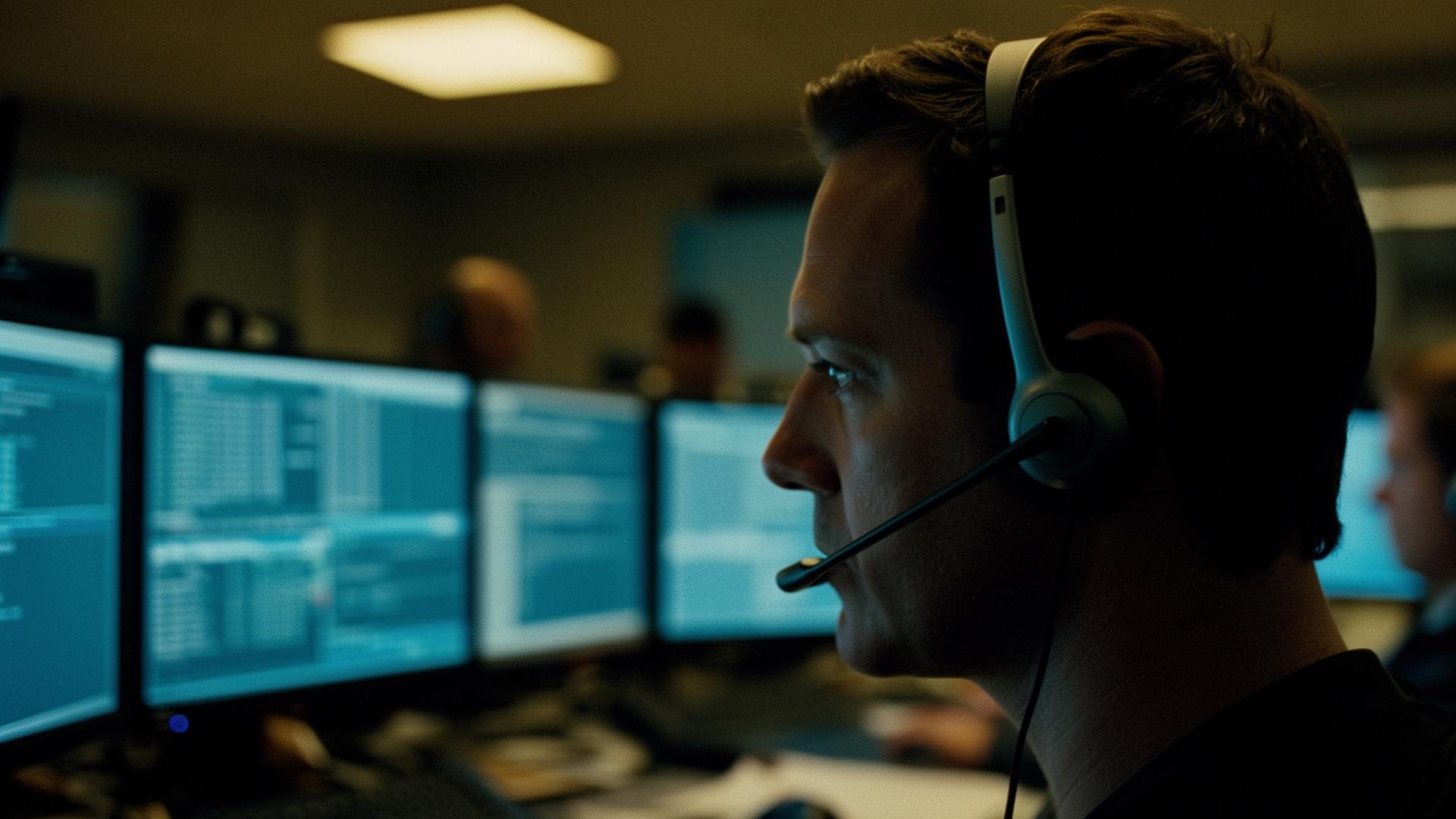
Across the world, a small number of people are deciding what happens next.
OPS · NIGHT SHIFTA disruption enters the layer. Exposure resolves in seconds.
Rerouting and servicing paths evaluated in parallel.
Ranked recovery plans, sequenced for the operator.
Operator confirms. Every decision logged, recoverable.
Synchronised across PSS, inventory, comms, ground.
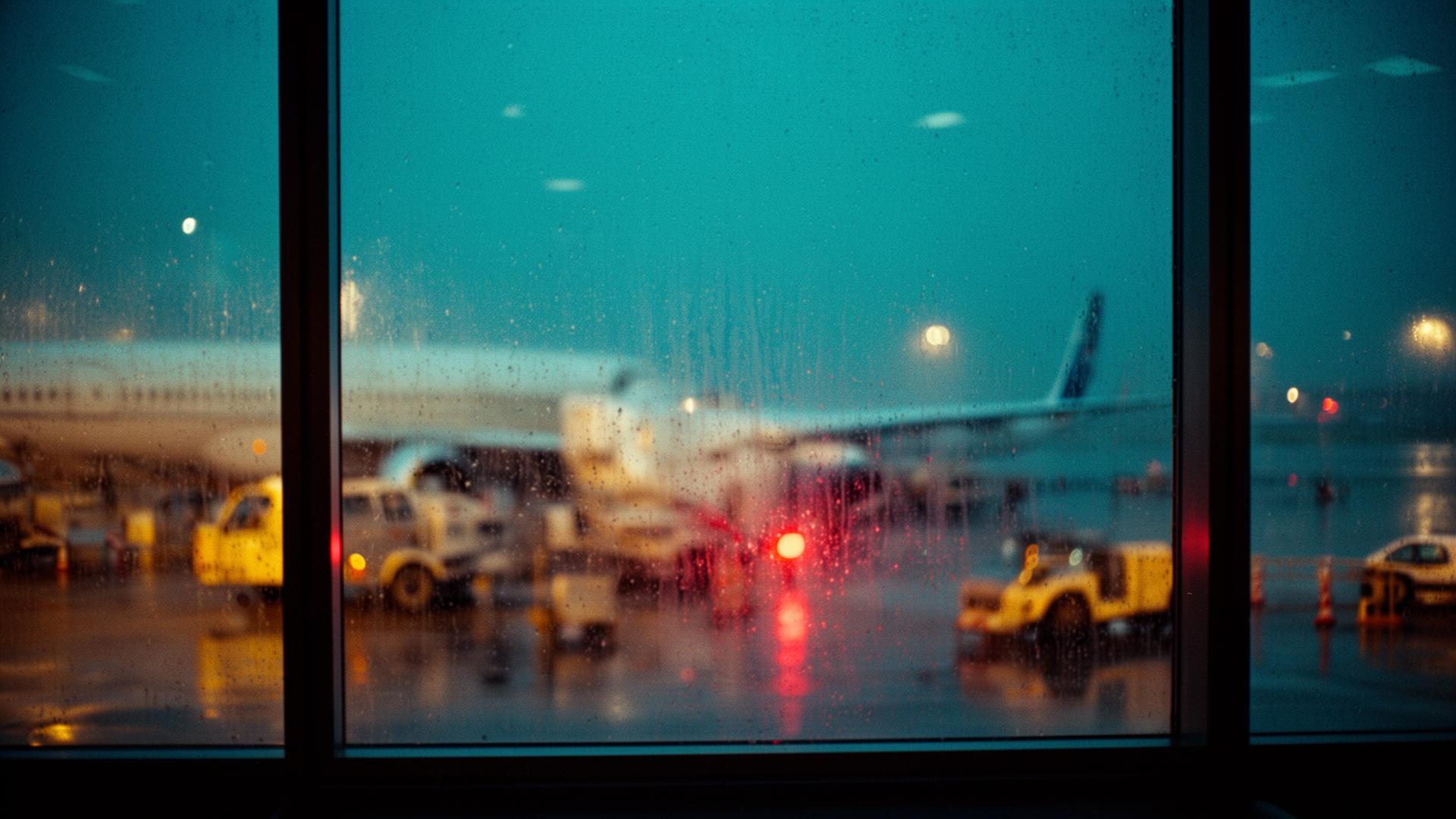
The weather hasn't passed. The disruption has.
T+02:14 · RECOVEREDOne surface. Signal in. Plan out. Human approves.
Confidence 0.00 · Aligned with SLA, crew legality and inventory across PSS, GDS and partner stock.
← scroll →
Approve the plan to see execution
Representative interface · Interactive demo
Sora Labs is designed to work alongside the systems airlines already run on. We listen, reason and orchestrate — we do not replace PSS, DCS or mission-critical core systems.
Mission-critical · Sora does not replace these
Sora Labs is designed to integrate into established airline ecosystems without replacing mission-critical core systems.
Non-destructive. Event-driven. No core system changes.
Tenant isolation. Environment parity. Predictable rollout.
Runs alongside existing carrier workflows. Not competing.
Adds intelligence and accountability to existing servicing.
Sora Labs is not affiliated with or endorsed by these vendors. Integration is API-first and non-destructive to host systems.
For Amadeus, Sabre, Navitaire and operational ecosystems exploring how Sora Labs integrates above existing PSS, DCS and servicing infrastructure.
We are deploying with a small number of carriers in 2026.
Design partners are not beta testers. They are co-architects of the first operational deployments. We work inside your environment, alongside your OCC team, to configure and validate the orchestration layer against real disruption scenarios before any system touches production.
We are selective. We are looking for carriers and infrastructure partners who understand that the right first deployment matters more than speed.
An estimate based on industry averages. Adjust for your operation.
At 47-minute average delay before first coordinated action
Based on EU261 administrative burden estimates
Where operators describe workload as unmanageable
Estimates based on published IATA and EU261 industry data. Actual figures vary by carrier, network and disruption profile.
See how Sora compresses this →Designed to compress the time, effort and uncertainty of IROP recovery — for operators, for the airline, and for the passenger.
Hours → minutes
Designed to reduce IROP handling from hours of manual coordination to minutes of AI-assisted operational approval.
Re-accommodation automated at peak
Built to automate repetitive PNR re-accommodation, communication and passenger servicing workflows during disruption peaks.
VIP, connections, accessibility flagged automatically
Helps operational teams coordinate recovery faster, reduce uncertainty and improve servicing when operations break down.
Target outcomes · Subject to deployment context
The honest answers to what airline operations and IT leaders ask us first.
Architected for the compliance, security and reliability expectations of airline operational control environments and enterprise travel infrastructure.
Architected around least-privilege access, encrypted transport and segmented operational tenants.
PNR and passenger data handled under regional residency, retention and consent constraints.
Designed for the operational reliability profile of airline control environments.
Every consequential action requires operator approval. No autonomous writes to core systems.
Every signal, recommendation and action recorded, attributable and recoverable.
Operator, supervisor and integration roles separated by environment and scope of effect.
Sora does not execute. It proposes, sequences and prepares. The operator decides. This is not a limitation — it is the design. Airline operations are too consequential for autonomous action. We will never build a mode where Sora acts without approval.
Sora reads broadly and writes narrowly. We observe across PSS, DCS and operational surfaces. We write only what the operator has approved, only through the integration paths the carrier controls. Non-destructive access is permanent policy, not a phase.
Every signal received, plan generated and action executed is logged, attributed and reversible. If something goes wrong — technically or operationally — the audit trail is complete. Accountability is not a feature. It is the operating model.
PSS vendors have spent decades building what airlines run on. We did not build Sora to compete with that investment. We built it to sit above it — extending what exists rather than displacing it. That philosophy guides every architecture decision we make.
“The first time we walked through the recovery sequence as a team, someone asked: why didn't we have this five years ago. That question is the whole brief.”
Three structural shifts that make an AI-native orchestration layer for airline recovery possible — and necessary — now.
Global IROP events have risen steadily over the past decade. Weather volatility, capacity constraints and infrastructure age mean recovery complexity is structurally increasing — not a temporary trend.
PSS and DCS were designed for schedule management, not real-time recovery orchestration. The coordination gap between systems creates the manual handoff problem that operators live every day.
Large language model reliability, structured output and tool-use have crossed the threshold for mission-critical operational workflows. The conditions for a trustworthy orchestration layer now exist.
IROP recovery is one of the most demanding operational problems in travel. When disruption cascades, teams coordinate across PSS, DCS and control environments that were never designed to act as one.
Sora Labs is the AI-native orchestration layer for that moment — built by people who have been in the operations control room at 03:00 local time.
Sora Labs is built around deep experience in travel infrastructure, enterprise integrations and operational recovery workflows across airline environments.

Two decades building and scaling enterprise digital products and mobile platforms across international markets.

25+ years in enterprise technology and mobile platforms, with deep operational experience in airline and transportation systems.
Building the operational layer for global airline disruption operations — and the people who run it.

A quieter layer running beneath the systems that already move the world.
GLOBAL · 24/7Partnering with a small set of carriers shaping the first operational deployments.
For Amadeus, Sabre, Navitaire and operational ecosystems exploring integration.
Partnering with a small set of carriers in 2026. Infrastructure partners welcome for confidential briefings.
Stay informed as we move toward deployment.
